2014年6月6日 星期五

Troubled Times: Voices of Tibetan Refugees, Part 3

https://chinadigitaltimes.net/2014/06/troubled-times-voices-tibetan-refugees-part-3/

中国数字时代
This is part three of a four-part series. Read Part 1 and Part 2 here.
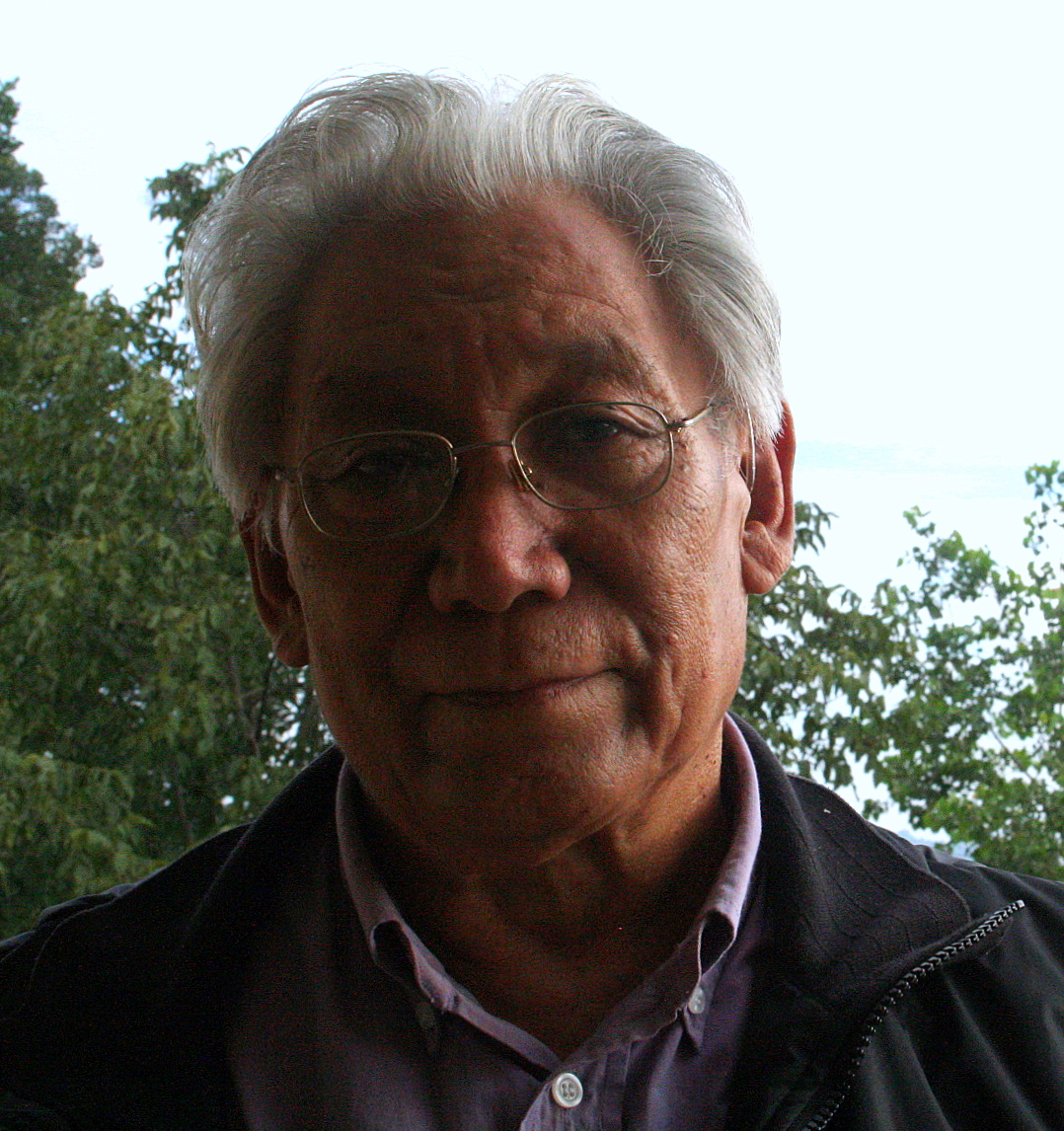
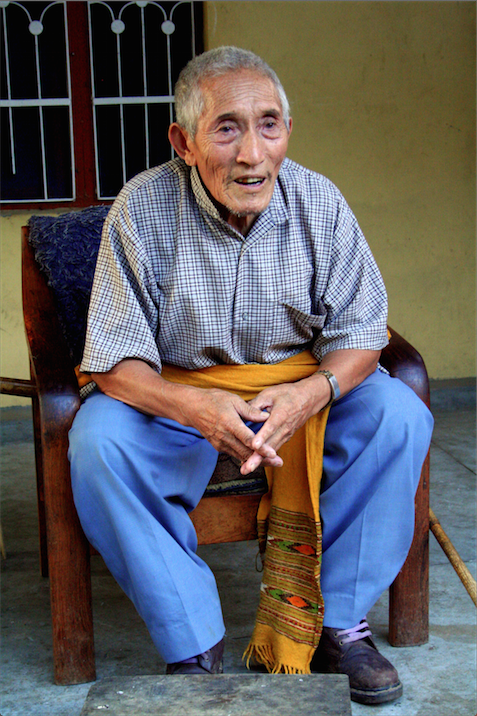
Jisang (Photo courtesy Tang Danhong)
In the summer of 2010, writer and filmmaker Tang Danhong and the young Tibetan translator Sangjey interviewed older Tibetan refugees in India, people who had fled their homes as the People’s Liberation Army entered Tibetan areas and slowly tightened Beijing’s grip. Some of the interviewees joined the Tibetan volunteer army Chushi Gangdruk in its armed rebellion against the Chinese Communists, with the aid of the CIA. Others told harrowing stories of imprisonment, flight, and survival. The refugees Tang interviewed called this period Dulog Yung, the “.”
Last summer, Tang began to publish some of the interviews, translated by Sangjey into Chinese, on her blog, Moments of Samsara. Today, CDT begins a weekly four-part series of excerpts from three interviews, translated into English.
Tang hopes to make a documentary from the interviews, and welcomes correspondence from filmmakers via Twitter @DanHongTang.

Kyisang was born in the 1920s to a herding family in Jyekundo, Amdo (Jiegu Township, Yushu Tibetan Autonomous Prefecture, Qinghai). As a young man, he became the right hand man to the chief of the Lutri tribe in Nangchen, Kham (Yushu). Kyisang experienced the Chinese Communist Party’s wooing, then terrorizing of the Tibetan leadership. In his interview, Kyisang recalls his time in prison and his escape to India.
This interview has been broken into two parts. The second part will be published next week.
I was probably born around 1927, because I was 22 or 23 that year when the Tibetans were defeated in Chamdo. My old hometown was really close to Yushu, in a place called Chungchun. When I was ten years old, a conflict broke out within my tribe. My big brother and I killed someone during the fighting, so my father moved our entire family to Drungto inNangchen, where we sought asylum with the Drungto Lutri tribal leader Lutri Sonam Dakpa. After we moved into the Nangchen Lutri tribe, my father was killed by Ma Bufang’s men. When I was 14, I became sworn brothers with Lutri Sonam Dakpa.
Before the Han [ethnic Chinese] Communists arrived, of course I’d experienced a full array of the beauty and hardships of life and death. There were always minor conflicts among the tribes, but generally speaking everyone acted well towards each other—we were respectful of elders and looked out for the children, we revered the gurus, and we were devoted to the Dharma. You could do business, you could go on pilgrimage. We had the freedom to come and go as we pleased. The wealthy families raised over ten thousand sheep and thousands of yaks. The rich helped the poor, providing them with food. People lived their lives freely and without worry. After the Han Communists arrived, they destroyed all of this. From that point on, the Tibetan people were finished.
The Han Communists arrived in our hometown when I was around 23 or 24. They brought with them a large amount of supplies, which we heard were things from the Panchen Lama. Most of it was food, rice, flour, etc. They hired locals to haul the supplies towards Ü-Tsang. We were all very curious, and many of us went to see what these Han Communists looked like. When we saw them, they didn’t seem much different than us. They didn’t wear military clothing—some of them wore dogskin vests, others wore fur-lined coats, and others wore gray-colored clothing. The Han Communists told us, “Communism is very good. You are human, and we are also human. We’re all the same. We believe in Communism… You’ve probably heard people say Communism is bad, or say bad things about Communism, but you mustn’t believe them. That is the slander of spies and bandits. Don’t believe the talk of spies and bandits.” The Han Communists seemed very good-natured and honest. They needed a lot of workers to transport their supplies, and they paid their Tibetan transport workers in large amounts of silver—much more than we would have expected. If the market price was 100, they would pay 1,000, so we were very inclined to work with them. Those Han said, “We should get along like brothers. You all must not listen to the talk of spies and bandits.” They were good talkers. We didn’t notice any malicious intent. And they paid really well, so we all felt like Communism couldn’t be that bad. Like this, the Han Communists were able to hire many local workers.
At that time [after the death of the 13th Dalai Lama], the power [in Tibet] was held by the bureaucratic nobility. If only they had stayed true to the vision of the 5th and 13th Dalai Lamas, Tibet would have never suffered the catastrophe of the Troubled Times. Under the 13th Dalai Lama, foreign ambassadors came to Lhasa. They even established schools. But the nobility didn’t allow foreigners to stay in Lhasa. Instead, they forced the foreigners to leave. The nobility told school children playing soccer that they were actually kicking around Buddha’s head. They closed the schools. They didn’t follow the vision of the 5th and 13th Dalai Lamas, and Tibet started having problems as a result. All of this was caused by those Kashagaristocrats.
The Han established an office at Tsangma Saso. They called it the Shogpa Government. The leader of our nine Greater Drongpa tribes, Panyi, was named Dzatö county head. Panyi became the middleman between the Drongpa Tibetans and the Han Communists. His main job was to show up and mediate when Tibetans opposed something the Han Communists were doing. His salary was 3,000 silver at the time.
My sworn brother, Lutri Sonam Dakpa, was named head of the Shogpa. “You are a good man!” they told him. They had him live at the Shogpa government building, and they gave him a salary of thousands of silverpieces every month. His main job was to hold meetings. During these meetings, he would educate the people of the tribe: “The Communist Party is good, we must listen to the Communist Party,” and so on.
One Tibetan and one Han were appointed to each official position. Although Lutri Sonam Dakpa was the Shogpa head, there was also a Han Shogpa head. Panyi was county head, but there was also a Han county head. At the time, County Head Zhang held the most power. The Han appointed me to the position of “cooperation group” leader, and each month they gave me a salary of 500 silver pieces.
…I went with Chief Panyi to Kyegundo. All the leaders of the Nine Great Tribes of Nangchen went. The meetings were called the “First Conference of the First Yushu Tibetan Autonomous Prefecture People’s Representative Congress.” Leaders and high-ranking monks from all of the tribes of Yushu Prefecture took part in the meetings—over 5,000 people in total. The objective of the Han Communists was to gather all revered Tibetan figures in Kyegundo so that no one from any area would oppose them, as the populace in each area would be too concerned about the safety of their important lamas and leaders to revolt. They dared not revolt. This was why the Han Communists called us to the meetings.
The meetings were held in the Kyegundo People’s Auditorium. The subject of the meetings were the same as it was back at the Shogpa government building. They told us that we were to walk the socialist path and establish communes. Wealth was to be shared equally; no one could retain any private property, as all property belonged to everyone. Everyone was to eat together, use public utilities, and labor together. They also repeatedly told us that there was no such thing as reincarnation, and that the lamas were lying to us. If you plant melons, you get melons; if you plant beans, you get beans. When people die they just die, no different from when a dog dies. They also said that the leaders who were once the running dogs of Ma Bufang and Chiang Kai-shek were being allowed to stay in their leadership roles by the Communist Party, even granting us cadre status and high salaries. Now, they said, some of you still forsake the Communist Party, oppose Party policies, and don’t listen, and this is shameful. Opposing the socialist path would be as futile as a praying mantis raising his arms to stop a passing car. Obey Communist Party leadership, and everything will go smoothly. Capitalism is a failure waiting to happen. During the meetings, they made everyone declare that they would uphold and protect the Communist Party. They said a whole mess of things like this.
On the second day of meetings, the Communists suddenly took me, Panyi, and 30 or 40 other people in attendance to a village in Kyegundo called Chuwa Tsang. There, we saw the corpse of Rabshey Chungje. Rabshey Chungje was the leader of the 18 Rabshey tribes. He was also called to attend the meetings. On the night after the first day of the meetings, he and Ayang Dechungescaped on horseback with guns. Their own servants sold them out. First they returned to their home, and after they left, their servants tipped off the Communists. The Han Communists immediately sent people to wait for them at Achila Mountain Pass. Rabshey Chungje and Ayang Dechung rested for the night at the foot of the mountain, and as they attempted to traverse Achila pass at dawn the next morning, Rabshey Chungje was beaten to death. The Communists took us to see the corpse and said, “This is Rabshey Chungje. He was just sitting comfortably at the meeting. He didn’t have to die. But why did he want to flee into the mountains? He had a devil in his heart and considered the Communist Party his enemy. But he had nowhere to run. The Chinese Communist Party is everywhere, the Chinese people are everywhere. He miscalculated, had nowhere to run, and this is the result!”
During the meetings, Panyi and I originally stayed with a local family, the Dorpo family. On that day, the Han Communists said, “It’s not convenient for you to stay in someone else’s home. From today on, do not return. Stay in the housing we’ve provided for you.” “Don’t worry, we’re staying close by,” we replied. “No, it’s better you all stay in the rooms we’ve arranged for you,” they said. We were arranged to stay in a huge building left behind by Ma Bufang’s militiamen. Each large room could fit 70 or 80 delegates. At this point, the Han Communists said, “There’s no need for you to carry weapons. We will keep your weapons for you. Just come pick them up yourself after the meeting is over.” Just like that, we had become prisoners. When we went to the meetings, Han followed us with rifles in hand. Tens of thousands of soldiers surrounded the meeting area—three circles deep! Surrounding the meeting area on all sides were PLA soldiers carrying guns or machine guns. We attended our meetings in the center of this circle of soldiers.
On the third day, the meeting convener announced, “Some of you are in armed rebellion against the Communist Party! In fact, some of these bad people are at this meeting right now, sitting in their chairs, pretending they have no knowledge of this, speaking their innocence more beautifully than if they were to sing it. If you come out and say candidly who organized and planned this insurrection, we’ll be lenient with you. If you don’t, the punishment will be severe!” When the convener finished speaking, no one in attendance uttered a sound.
Then, a Han Communist suddenly said, “Who should have their faces flattened and their fingers smashed? You two!” Panyi and I were grabbed on the spot, and right in front of 5,000 people, we were tied up and beaten. They pulled out our hair and knocked out our teeth. They pointed to the two of us, saying, “You still play dumb! The head of that tribe of yours already ran away with all his belongings—You really expect us to believe that you didn’t know? You and Lutri Sonam Dakpa planned it all out when you were in Dzatö, right? They killed Han and destroyed a Han camp. Now Lutri Sonam Dakpa already ran away with his tribespeople! And you two are here acting like you don’t know, drinking tea and eating snacks. Be honest and fess up. What have you and Lutri Sonam Dakpa planned? What’s your goal, coming out here to this meeting? Tell us everything!”
Here’s what had happened. When Lutri Sonam Dakpa returned to Drongpa, some of the tribe had already fled into the mountains and began revolting against the Han Communists. The Han Communists in Kyegundo quickly learned about our tribe’s resistance and arrested Panyi and me.
Speaking to Panyi, the Han said, “You lead over 5,000 herding families. How could you possibly be unaware of your tribespeople fleeing into the mountains and revolting?” Then, to me, he said, “You are so close with Lutri Sonam Dakpa—you eat and drink together. You are together every day. Now Sonam Dakpa is gone, and you’re still here acting like you don’t know anything about it? I bet you agreed to come here and give him cover, right?”
“If we wanted to revolt, we wouldn’t have come to this meeting. We came here on our own. No one dragged us here with ropes around our necks. We uphold and protect the Communist Party. We have in the past and still do now. When our tribespeople fled, we were here. How could we have known?” we replied.
The two of us remained in captivity, standing alone on one side of the meeting. The Han Communists told the more than 5,000 in attendance that “the 900 million people of the People’s Republic of China are all moving down the bright avenue of socialism, yet these two are walking the path of capitalism. If you still refuse to fess up, you’ll end up like these two. So, everybody, take the initiative to be honest. Admit your mistakes…”
And just like that, we were taken captive.
The meetings proceeded as normal. Those not arrested sat on chairs; those who were arrested could only sit on the floor. The Han Communists said, “You aren’t walking socialist path of the People’s Republic of China. Instead, you’re walking the crooked path of capitalism, so you don’t have the right to sit on chairs!”
Those who were arrested were held in prison. One large cell fit 60 or 70 people, all leaders and lamas who had come to the meeting. When the cell door closed, it was pitch black. We couldn’t see a thing. The Han threw their leftover food into the cell for us to eat along with the water that they used to brush their teeth and wash their faces. Panyi and I were in prison, with no way to find out anything about the situation back home.
One day, we heard the sounds of scrambling and gunfire outside, and then the Han launched a counterattack. Both sides were fighting intensely. Gunfire sounded day and night. From our prison window, we could see a dense mass of people and horses up on the mountains in the distance. They were all Tibetans. From the sounds of their guns, it seemed as if they could attack all of Kyegundo. Then, the Han airplanes arrived. Five or six aircraft began bombing and strafing… Before long everything went quiet. No trace of even a single person could be seen over on the mountains. By then, we were well into the Troubled Times.
In prison, we labored every day. One day I attempted to play dead. I lied down in a pit, looking for an opportunity to run away. But I was discovered and called to work. I said that I had fallen into the pit. I escaped punishment that time, but I realized the chances weren’t good that I could escape by playing dead like this.
While we worked during the day, the prison would send a few Han to bring us lunch. Those people were horrible. Often times they would take the food away before the prisoners had enough to eat. One day, the food was brought to us by a Han from Xining I had known in the past. He used to be one of Ma Bufang’s men. He later defected to the Communist Party. When he saw me, he called me over. Holding a whole bunch of documents in his hands, he said to me, “Take these files over to so-and-so barracks. When you go, make sure to stay on public roads, otherwise you’ll be killed.” At first I refused, saying, “Do I have to be the one to go?” He said, “Go, go, just go. You must remember stay on public roads. If you take random routes or get off the public roads, you’ll be shot on the spot!”
As I walked, I thought to myself: If I don’t make a run for it today, surely I won’t have another opportunity. At that time, us prisoners wore the same clothing as the Han. The only difference was that prisoners had to wear a hat. I kept walking and walking, and about halfway there I passed a military camp. I saw there were a few horses at the camp, and I thought that this was my chance. I took off my hat, put it into my pocket and started toward the camp. [Chinese Source]
Translation by Little Bluegill.
Note: The 5th Dalai Lama was relatively open to the outside world. He visited the Qing court in Peking(Beijing) and received Jesuit missionaries in Lhasa. Back.
June 6, 2014 12:00 AM
Posted By: 

2014年6月1日 星期日

自焚藏人的遗言是证据

唯色

图为2013年12月19日自焚牺牲的甘肃省夏河县僧人次成嘉措写的遗书,其中写到:“……为了尊者达赖喇嘛返回故土,为了班禅喇嘛获得释放,为了六百万藏人的福祉,我将身体献供于烈火。以此祈愿消除三界众生的苦难,走上菩提之路。”

自焚藏人的遗言是证据

文/唯色

自焚藏人的遗言是理解藏人因何自焚的重要依据。

迄今为止,有51位自焚者的遗言披露于世,有手写,有录音,也有与亲友所说。其中46人身亡,3人生死不明。同时还有多达五六十人被记录下自焚时喊了口号。内容比较一致,包括“让尊者达赖喇嘛回到西藏”、“祈愿尊者达赖喇嘛永久住世”、“西藏需要自由”、“西藏独立”等等。尽管自焚之时发出的心声是最响亮的遗言,但相比之下,事先留下的遗言比在自焚一刻喊的口号具有更多层面。

依据内容,可以将遗言分为9类,并按遗言的每一类所占比重,由低到高,可以得到这样的看法:

1、境内藏人并非以自焚执求国际社会帮助

一个流行看法认为藏人自焚是为了促使国际社会关注西藏。但是通过对遗言的分类,只有三位自焚者提到这一点,在遗言中占的比重最低。其中两位是在境外自焚的藏人。寻求世界支持,呼吁国际社会关注西藏问题,一直是境外藏人的主要目标,也是迄今流亡西藏领导机构的工作重心所在。而西藏境内只有网络作家古珠一人提到,其他自焚者的遗言都未涉及。从这一点可以看出境内外藏人的不同。

2、藏语言文字在藏人心中的分量

多位自焚者的遗言涉及“保护民族语言”,足以反映藏人对民族语言文字状况的不满与焦虑。

另有一位女中学生才让吉,虽然未在遗言中提到藏语言问题,但她是为抗议“汉语为主、藏语为辅”这一教育政策而自焚。在她自焚几天之后,藏地数千名中学生及师范学校学生走上街头,发出“民族平等”、“语言平等”、“本土自主”的呼声。八个月后,留下遗言“发扬西藏语言文字”的格桑金巴自焚第二天,又有数千名藏人学生包括小学生游行、集会,要求“民族平等”、 “语言自由”。

3、自焚并非主要是出于绝望

另外一种相当流行的看法(包括流亡西藏的政治领导人也曾如此宣称)——自焚是出自藏人无法忍受目前处境的绝望选择。这个因素的确存在,但是明确表达这一点的自焚者并不多,因此不应该作为解释自焚行为的主要原因。

4、自焚是一种抗议

有多位自焚者在遗言中明确提出了对当局的抗议和要求,除此还有多人在自焚时呼喊“让尊者达赖喇嘛返回西藏”、“西藏要自由”、 “释放十一世班禅喇嘛”等口号,都是在表达抗议和要求。同时,即使没有留下遗言或口号,自焚行动本身所含的抗议和要求也已不言而喻。

5、关于西藏独立


在遗言中明确要求西藏独立、或者间接认定西藏是独立国家的自焚者有十多位,如果再加上八位虽未留下遗言但在自焚时呼喊西藏独立的口号,另有四人自焚时手持西藏国旗,关于西藏独立诉求所占的比例则会增加,反映出自2008年以来,西藏独立的意识在境内藏人中增长扩散的态势。

6、强调民族认同,呼吁内部团结

表达这个愿望的遗言比较多,这与2008年后在境内藏地兴起的“拉嘎”(Lhakar)运动有关,在尊者达赖喇嘛诞生之日,强调以“讲纯正藏语、穿传统藏装、吃传统藏食”为形式,实质上是一种产生于本土的非暴力不合作方式,以此强化藏人的身份认同与民族精神。

而遗言中呼吁的团结一致,主要是针对境内藏地存在的地区分别、教派争执、部族纠葛、草场纠纷等现象,希望藏人之间突破教派、地域、部族的局限,尤其勿要执着于草场纠纷的自相残杀。

7、最能体现藏民族精神力量的成分

以自焚表达勇气和承担的也比较多。这是一种体现人格力量的英雄主义,是一种通过捍卫尊严、分担痛苦、鼓舞勇气、表达声援、类似涅槃的自我升华。典型的遗言有“他们认为我们害怕武力镇压,他们想错了”(彭措),“昂起你坚强的头,为朗卓之尊严……为恩惠无量的藏人,我将点燃躯体”(朗卓),“要为西藏民族的尊严而自焚”(班钦吉),“愿为一切苦难的有情众生承担痛苦”(日玖),“愿贡献自己的血肉来表示支援和敬意”(索巴仁波切)等,自焚遗言的这一方面,体现出藏民族最为可贵的精神力量。

8、具有宗教性质的供奉及对中共的抵制

以自焚作为对达赖喇嘛的祈愿,居第二位,具有宗教奉献的性质,凝聚了佛教徒舍身求善的信念特征。如索巴仁波切在遗言中表达以寿命和身体供养达赖喇嘛并超度众生。这种宗教精神为多数藏人所具有,也会成为自焚的一种动力。

这同时也是对中国政府不断升级攻击达赖喇嘛,所表达的坚决抗议和抵制。

9、主要是当做一种行动

自焚者表达是把自焚当做一种行动。这是所有分类中比重最高的,与中共十八大期间出现的自焚高峰一样,都在体现自焚者期望通过他们的牺牲,有助于实现解决西藏问题的目标,而非单纯地表达抗议或仅仅是出于绝望。从原本被动等待流亡西藏或国际社会解决西藏问题,到终于觉醒必须靠自己也只有靠自己。至于自焚的行动是否真能有助于解决西藏问题的目标,他们并不清楚,但是如丁增朋措遗言所写的——“无法继续活下去空等”,这句令人心碎的话应该是理解自焚的一把钥匙,值得深思。


需要强调的是,从自焚者遗言中,可以看到藏人要付诸行动的意愿里,没有一丝暴力的痕迹。藏人的佛教信仰,以及尊者达赖喇嘛一直以来关于非暴力的开示,对整个民族形成强大约束力,在自焚行动中的体现即是:宁可自毁,也不伤及他人。相约同时自焚的曲帕嘉和索南用手机录下他们的遗嘱,其中就说“我俩不愿任何人为此而受到伤害……”而这些宁肯烧死自己也不伤害对手的藏人,却被中国政府定性为必须严厉打击的“恐怖分子”、“暴徒”。

 2014年5月

(本文为自由亚洲电台特约评论,相关内容由自由亚洲电台藏语专题节目广播,转载请注明。)

延伸阅读:

49位自焚藏人的遗言 http://woeser.middle-way.net/2013/12/49.html(注:留言中补充了新公布的两则遗言)

Troubled Times: Voices of Tibetan Refugees, Part 2

中国数字时代

Chagdoe Donyon (Photo courtesy Tang Danhong)
This is part two of a four-part series. Read Part 1here.
In the summer of 2010, writer and filmmaker Tang Danhong and the young Tibetan translator Sangjey interviewed older Tibetan refugees in India, people who had fled their homes as the People’s Liberation Army entered Tibetan areas and slowly tightened Beijing’s grip. Some of the interviewees joined the Tibetan volunteer army Chushi Gangdruk in its armed rebellion against the Chinese Communists, with the aid of the CIA. Others told harrowing stories of imprisonment, flight, and survival. The refugees Tang interviewed called this period Dulog Yung, the “.”
Last summer, Tang began to publish some of the interviews, translated by Sangjey into Chinese, on her blog, Moments of Samsara. Today, CDT begins a weekly four-part series of excerpts from three interviews, translated into English.
Tang hopes to make a documentary from the interviews, and welcomes correspondence from filmmakers via Twitter @DanHongTang.
Chagdoe Donyon was born in 1937 in Derge, Kham (Derge County, Garze Tibetan Autonomous Prefecture, Sichuan). The illegitimate son of the Derge princess, Donyon was raised by the noble Chagdoe family. When the People’s Liberation Army (PLA) came to Derge, Donyon left for India, then reentered Tibet as a guerilla in the the Kham Four Rivers, Six Ranges Tibetan Defenders of the Faith Volunteer Army (Chushi Gangdruk). Donyon eventually received training from the CIA, part of a US intelligence program that operated for two decades, until the eve of Nixon’s visit to China in 1972. Donyon is now the chief executive of Bir Tibetan Colony, India.
Donyon told Tan Danhong and Sangjey about his CIA training and deployment to Tibet.
One day when I was thirteen, I saw three Jeeps driving in the distance, eventually stopping at my front door. Out came a few Han Communist officials along with several soldiers. “We are here to liberate you,” they told the elders. The Han tried to explain what “liberate” meant, but the elders didn’t know how to translate “liberate” into Tibetan, let alone what the word meant. They just stood there, puzzled. They didn’t say anything about feudal serfdom; that was added in by the Communist Party later. Those Han stayed at our home that night and left the next day. That was the first time I saw the Han Communists.
It was probably about 1954 when the Communists began arresting those they called Nationalist spies. At that time our village had two Tibetan translators and two Hui merchants. There was also one Han who came to our village during the Nationalist period—he understood Tibetan and had a Tibetan wife. One day, they were all arrested. They were told to meet at the road maintenance office the next morning. Once they arrived, PLA soldiers who had been waiting there arrested them. They disappeared after that. Perhaps they were imprisoned somewhere and died. From then on, political movement gradually came to our hometown. Cadres who had previously set us at ease starting talking about democratic reform.
At that time, Chaghoe Thubten had a better understanding of the political situation. He said to us, “Right now China is undergoing land reform in places like Chengdu and Ya’an, and they will soon launch similar reforms in Derge. While it seems that the Han are kind to us now, it’s unlikely that will continue in the future. The local leaders and the wealthy families will be the first targets of reform, and then we’ll be in big trouble…” Chaghoe Thubten told us to leave. He said, “If you pretend to make a pilgrimage to Lhasa it should be okay. If you to stay at home, things won’t end well. Not a single person should stay. You should all leave! Appoint administrative and financial staff to manage things, and leave immediately. But I myself can’t leave. Only I will stay in China to see if things get better.”
Not long after we arrived in Lhasa, Chaghoe Thubten sent us a message: “Do not come back under any circumstances. The reform will bring calamity for the local leaders and wealthy families.” We completely trusted what he said and no longer harbored any fantasies about the Han. Chaghoe Thubten urged us to continue our journey towards India or some other place. In the winter of 1956, our entire family moved to India, claiming that we were on pilgrimage.
…In the summer of 1958, Gonpo Tashi established Chushi Gangdruk. I returned to Tibet from India, went to Lhokha Prefecture, and joined the army.
…After forming Chushi Gangdruk, Gonpo Tashi led a group to Ganden Monastery and forcibly took weapons from the Kashag. After taking possession of the weapons, the PLA began chasing them, and they had to retreat northward instead of returning to the Lhokha headquarters. Chushi Gangdruk’s headquarters was thus moved from Lhokha Lhokha Drigu-thang to Gyaca, not far from Tawang [Arunachal Pradesh]. I was staying at the Chushi Gangdruk headquarters then, and we stayed in Gyaca for a while. When winter came, we moved to Lhagyari, where the headquarters were located.
Gonpo Tashi tried to join with the army’s general headquarters. After we received this news by letter, our group of over two hundred Chushi Gangdruk soldiers from Derge and Lithang went to welcome Gonpo Tashi in Dagpo. After we arrived in Dagpo, we crossed a river and continued to walk for two days. We then met a messenger sent by Gonpo Tashi. He gave is a letter that said, “Do not come to receive us. You must go back to Lhagyari.” So that’s what we did.
We met at headquarters. If Gonpo Tashi didn’t want us to meet him, we had nothing to do in Lhagyari, and we would soon run out of food. At the time, we put a lot of hope in Taiwan and the US, and we thought we should send people to India to ask India, Taiwan, or the US for aid. Actually, we didn’t care where the aid came from. The most important thing was to get weapons and supplies. Before, in 1957, the CIA had already trained Tibetan resistance fighters.  Athar and Lobtse from Lithang had been flown to Samye; in 1958, Wangdue and other fellow soldiers who had received CIA training were also flown to Lithang, and another snuck into Lithang by horse. But after Wangdue and the others had arrived in Lithang, the CIA never airdropped weapons. They had no choice but to leave Lithang. On their way out, Wangdue ran into one of his brothers, who was fleeing with ten or so other people. They all went together to Lhagyari. At the end of the meeting, we decided to divide into two groups: Chaghoe Namgyal Dorje, Lobsang, and Chundak would go to India to get in touch with Gyalo Dhondup [the contact for the CIA training program]; Wangdue, a CIA trainee, and I would go to Darjeeling, India along with thirty other soldiers. Some of us would prepare to receive CIA training.
We got into India easily. A man named Lobsang Gyaltsen came to receive us. He was a good friend of Kunma Tsang, a Bhutanese official, who provided 40 entry permits that would allow Tibetans into Bhutan. So we made it to Darjeeling via Bhutan. In our party was a Han couple and their daughter, who came with a Tibetan named Gyalo Kyentse. I don’t know if they belonged to the Nationalist Party or what, and had no idea what happened to them after we got to Darjeeling.
Gyalo Dhondup was in charge of arranging everything for the CIA training. I didn’t know the details. I heard that Gyalo Dhondup made his connection with the US embassy in Kolkata through an introduction from the Mongolian lama Wangyal. After we arrived in Darjeeling, my adoptive father Changhoe Namgyal Dorje informed us that we would leave for training in the US soon.
Soon, Tibet was occupied. We then paid a special visit to see His Holiness the Dalai Lama inSiliguri. His Holiness took a train to Siliguri to meet his faithful followers. Ten days after we returned to Darjeeling from that visit, we departed for the US.
On the night of our departure, Gyalo Dhondup drove us himself. He dropped us off by the side of the road and said a truck would pick us up. We got into that truck, and it stopped along the way to pick up more people. In the end, there were 21 of us, 18 trainees and three interpreters. From Darjeeling to Siliguri, we then reached the India-Bangladesh border, where we got off and followed a guide. We didn’t know where we were going or what we were going to do. Everything had been pre-arranged by Gyalo Dhondup. We had a little trouble at the border: we were detained by the Indian police for one night and then released. In Bangladesh, the guide left us in a house, where another man came and trucked us to the train station. It was only us and some Bangladeshi soldiers in our train car. The soldiers seemed to be monitoring us. We had no food or drink. The train stopped near a small airport, and another person came to take us to where some CIA trainers were waiting for us. We stayed at the airport that night. The next day, the CIA flew us to the training camp in Colorado.
In the past, Athar and others were trained at a US military base in Japan, but we were trained in Colorado. Before we arrived, six other Tibetans had been trained there, including Gonpo Tashi’s nephew. They had finished training and were expected to leave anytime. We didn’t know any English, so the six stayed to help the CIA trainers teach us how to use weapons, parachutes, and telegraphs. Our training lasted six months. The other group of Tibetans left before we finished, taking Lekshay, Kyilha Tashi, and Taba from our group with them. Those three hadn’t finished their training, but they’d already mastered the basic skills. We didn’t know where they’d be deployed. Later I heard they were dropped in Namtso. But not only could they not establish contact with the local resistance movement, they also exposed their whereabouts. The manager of Thargye Temple in Namtso reported them to the Han, so they had to retreat to India through Nepal.
During our training, Gyalo Dhondup visited us. We demonstrated our shooting abilities to him. He encouraged us to train hard and said that, though Gonpo Tashi’s troops were in India, they were ready to return to Tibet to fight anytime. In actuality, we didn’t need any encouragement. We only worried that we might not be allowed to go back to Tibet to fight the Han because the Dalai Lama and the Chushi Gangdruk army had arrived in India. The founding mission of Chushi Gangdruk was to contribute to the Tibetan political and religious cause. We had never forgotten what we had sworn. We were enthusiastic for having the opportunity to contribute to our country and our people, and didn’t care about our own lives. We had no fear of parachuting back into Tibet.
As our training was nearing the end, we were divided into three small groups. I was in charge of a group of six, and the other two groups had five members each. The American officers told us we’d soon be dropped into Tibet, and pointed out the location on the map. We were going to be dropped where Gonpo Tashi used to be stationed. Perhaps the location had been chosen by Gonpo Tashi and Gyalo Dhondup? Maybe they believed there was still a local resistance there? Our first task was to contact the local resistance, assess the situation, and report to the Americans. After establishing a relationship with the local resisters, we would ask for weapons from the Americans. Next, we would teach the resisters to use the weapons and other guerrilla tactics, and collect information about the Han in Tibet.
…Our group was lucky—we landed in a field and no one was injured. But it took us some effort to find all the equipment that was dropped. The other groups landed in the mountains and two people were lightly injured. We found everything and burned what we didn’t need any longer, like the parachutes.
In the end, we organized a complete Chushi Gangdruk [force] made up of resisters from every tribe in Ja Lha Penba. We would all fight battles along separate routes.
Of course we knew the strength of the Han. I remember when I was still in my hometown, I once saw the Eighteenth Army gather at the Garze Airport. There were so many soldiers that the entire area turned the color of their fatigues. That was the army we were facing, and with such few Tibetan soldiers? We knew beyond the shadow of doubt that we could not beat the Chinese army. Our goal was to resist invasion and make a sacrifice for Tibet.
We trainees didn’t personally lead the soldiers to the battlefields, but mainly provided strategy and conducted guerrilla attacks. In the beginning, we initiated attacks on the Han army. In Bomi, we fought all the way to the Pore area and killed many PLA soldiers. In Sog County, we obtained telegraph equipment from the PLA, attacked one of their transport teams, and took a great deal of food, horses, and camels. All three of our groups had some victory.
But since the Chushi Gangdruk was made up of resisters from different tribes and different areas, many civilians and refugees traveled with the army. Our success was sometimes bogged down by the burden of elderly or weak tagalongs, children, and livestock, not to mention the extremely challenging terrain. So when the PLA attacked us, we sustained heavy casualties in Ja La Penba. The PLA laid siege to our troops, attacking us on land and from the air. I heard that 40,000 PLA soldiers were moved from Lhasa, Xining, and Chamdo. Fighter jets flew above, while infantry and the cavalry swarmed on the ground. The jets first bombed the Penba Monastery, then everywhere else. The casualties were mostly fleeing tribal refugees. You could see dead bodies everywhere. Even though we had our defenses in all areas, we couldn’t beat an army that had so many more soldiers than we did, and we had to retreat. Soon, we fought our way out and left Ja La Penba.
We then retreated to Tagang, where locals said that a small tribe from the Pechung Alliance, whose leader was Tashi Gyaltsen, was under siege by the PLA and had to retreat to Tagang. In Tagang, after they’d shot their last bullet, they smashed their guns on the rocks and grabbed knives to fight until all the men died. The women told their leader, “We’ve run this far, but the Han are still everywhere. There’s no way to escape. If all the men are dead, we will die, too.” So after all the men had died in battle, the women drowned themselves and their children in the river. Some women jumped into the river with three or four kids. There was not a single person left alive from that small tribe. Another tribe, Damdul, was also attacked by the PLA, and had severe casualties. Their leader was captured, and many other tribal members died or were arrested.
Tashi Gyaltsen and Damdul were the leaders of those two small tribes from Pechung in Nangchen. I knew them both. They had come to our headquarters to get weapons and attend meetings. Tashi Gyaltsen’s tribe had over 50 families following him. When I returned to Tibet in 1981, I asked around about the Tashi Gyaltsen’s tribe, and was told that no one had survived.
…I am not a “traitor.” I fought not for my own food, clothing, or money, but because I hated the Chinese government’s policies, and needed to resist China’s attempts to destroy our religion, culture and customs. So the Chinese called me a traitor. But I didn’t go against the Derge King, the Dalai Lama, or Tibet. [Chinese Source]

http://chinadigitaltimes.net/2014/05/troubled-times-voices-of-tibetan-refugees-part-2/ 

2014年5月28日 星期三

被捕的图伯特歌手格白的三首歌曲

唯色
 
图片来自Facebook。当地藏人拍摄于格白被捕当日即2014年5月24日,地点是四川省阿坝州红原县。

年轻的图伯特歌手格白(དགེ་བྷེ། Gaybay),安多阿坝人,5月24日晚上,在安多嘎曲(今四川省阿坝藏族羌族自治州红原县)的一场晚会上演唱之后,被当地公安带走,目前情况不明!

我曾在去年10月4日的博文《失踪的藏人歌手格白的歌:<我来了>》中写过:“格白(དགེ་བྷེ།)……是图伯特勇敢且有才华的歌手。他的影响力无法估量,但各种消息说他已经失踪很长时间……”。

5月24日的公开演唱,表明失踪许久的格白终于复出,但我们还来不及庆幸他得自由,就传来他被拘捕的消息。听说他在这个有诸多歌手参加演出的晚会上唱了两首歌,内容是提倡年轻藏人要讲纯粹的藏语,维护和发扬传统文化,远离酗酒等恶习,以及对民族精神的颂扬。他的歌获得在场观众的欢呼。
                                                                     

High peaks pure earth(高峰净土)网站,曾于2012年11月2日介绍了格白的两首歌曲:《图伯特必胜》、《我们有的是苦难》。其中,《图伯特必胜》表达了对尊者达赖喇嘛的思念,以及藏人对多年分离的痛苦,同时也表达了对境内外藏人团聚的深切渴望。《我们有的是苦难》,曲调悲伤,歌词感染力强,内容包括对西藏近代史上重要事件的认识,如尊者达赖喇嘛的流亡、藏人自焚,和1950年代以来在拉萨等藏地发生的屠杀。歌词中有许多关于尊者达赖喇嘛的象征或比喻,如作为一位领袖或国王、父亲或怙主,或如绿松石一样的魂湖——寻找尊者转世灵童的神湖即拉姆拉措。这两首歌都收录在格白于2012年初发行的专辑中,已被禁止的专辑共收录11首歌曲,其MTV可在YouTube观赏到,歌曲可在这里听到。

格白的歌,有忧伤的,也有因为希望而欢欣的。我很喜欢他的歌,他唱出的是藏人深藏在内心的声音。去年的一天,我在布达拉宫背后的鲁康喝甜茶,突然听得音箱里传出格白的《我来了》,又是激动又是不安。甜茶馆里一时安静,看得出许多人都知道这首歌。格白因歌唱而被捕,令人想起在恐怖的共产苏联时代,伟大的诗人曼德尔施塔姆因写了一首讽喻极权专制者的诗歌而两次被捕,被折磨致死于集中营。这首诗同样是今日图伯特之写照:“我们生活着,感受不到脚下的国家,/十步之外便听不到我们的谈话……”

下面是《图伯特必胜》、《我们有的是苦难》、《我来了》三首歌的歌词翻译。前两首歌,由高峰净土将藏文歌词译为英文,推特网友 @lotusseedsD 将英文歌词译为中文,唯色修订;后一首歌,由Grey Buffalo将藏文歌词译为英文,唐丹鸿将英文歌词译为中文,唯色修订。


图伯特必胜

诸佛必胜!
图伯特必胜!
今日,贡萨江贡(伟大的至高无上的依怙主达赖喇嘛)必胜!
今日,杰出的图伯特领袖必胜!
今日,降临的福祉必胜! 

念诵:
今日,贡萨确(伟大的至高无上的依怙主达赖喇嘛)必胜!
今日,杰出的图伯特领袖必胜!
今日,降临的福祉必胜!

诸佛必胜!
图伯特必胜!
今日,六百万博巴必胜!
今日,知识的泉源,图伯特必胜!
今日,雪域博巴(藏人)必胜!

诸佛必胜!
图伯特必胜!
今日,所有的同胞们必胜!
今日,世界各地的博巴必胜!
今日,雪域的儿女必胜!

念诵:
今日,六百万博巴必胜!
今日,知识的泉源,图伯特必胜!
今日,雪域博巴必胜!

诸佛必胜!
图伯特必胜!
今日,吉祥的太阳必胜!
今日,愿望实现日,图伯特必胜!
今日,为了境内外博巴的团聚,我们必胜!
今日,为了境内外博巴的团聚,我们必胜!


我们有的是苦难

在如玫瑰念珠般的雪山中央
在图伯特的“确喀颂”(多卫康三区)有藏人之父的宫殿
有父亲的宫殿
围绕着绛红与白色的宫殿 
是无数被偷走的灵魂

白雪皑皑的高原上
有慈悲之父的神湖
有个神湖
围绕这绿松石一样的魂湖
是身体燃烧的传说

拉萨颇章布达拉的高处
有被放逐的历史之王
有段历史
围绕着美丽而晶莹的群峰
是从另一片土地归来的足迹 
 
在世界的南部
住着六百万博巴(藏人)的怙主
住着怙主
怙主喇嘛微笑着
而我们承受了多年的痛苦
无法见到你

怙主喇嘛微笑着
而我们承受了多年的痛苦
无法见到你


我来了

我遥远的怙主啊,我来了!
泪眼滂沱,我来了!
诉说雪域的苦难,我来了!
救苦的怙主啊!想念你,想念你,我来了!

我心中的朋友,我来了!
践行着佛法的功德,我来了!
你并非独自活着,我来了!
亲爱的朋友啊,想念你,想念你,我来了!

雪域的兄弟姐妹,我来了!
诉说图伯特的苦难,我来了!
弹奏着悦耳的“咚铃”,我来了!
为了把福祉带去图伯特,我来了!

2014年5月25日 星期日

由一份“通知”了解“驻寺工作组”

唯色

从网上发现一篇2012年1月31日《关于调整驻重点寺院工作组成员的通知》,是青海省海东地区化隆回族自治县政府网站于同一天登出。

这是一份重要的文本,不但提供了“驻寺工作组”的规模,而且披露了这样的信息:

1、从2011年10月起,西藏自治区向全区1700多座寺院、5400多个行政村,下派驻寺工作组和驻村工作队,共计近3万干部,迄今已是第三批。而化隆县政府的通知表明,并不只是西藏自治区才派“驻寺工作组”。化隆县本属安多藏区,称作“巴燕”,但历史上被回族不断占领,以及中共化整为零、分而治之的民族政策,1949年9月建立“化隆回族自治县”,其中有5个藏族乡。

2、通知中提到的“驻寺工作组”有8个,分别入驻化隆县重要的八座藏传佛教格鲁派寺院:夏琼寺、支扎上寺、扎西泽寺、赛智寺、旦斗寺、若素寺、卡力岗寺、乙什扎寺。其中最为著名的是有着七百多年历史的夏琼寺,以及作为藏传佛教后弘期发祥地的旦斗寺。

3、所谓驻寺工作显然是政府工作的重中之重,“驻寺工作组”成员由公安局、检察院、法院、司法局、森林公安局,以及统战部、民宗局、610办公室等重要部门的干部,以及乡干部组成,每个工作组有12人至16人不等,共计106人。当然这只是全县其中8座重点寺院的规模。

那么,近年内,化隆县有无发生过被当局视为“分裂活动”、必须维稳的事件呢?

据我有关2008年3月遍及全藏的抗暴事件的记录,即《鼠年雪狮吼》一书记载:

2008年3月10日:青海省化隆回族自治县德扎寺(即支扎上寺)60多名僧人和平抗议游行,高举达赖喇嘛法像,呼喊要求自由的口号,被当局军警驱散。后有400多名僧俗民众在寺院后山举行了煨桑祈祷仪式。

又据我有关藏人自焚抗议事件的记录,即《自焚藏人档案》一书记载:

2013年2月24日晚,查甫藏族乡21岁农民彭毛顿珠在夏琼寺的辨经场点火自焚,表示抗议。在被家人送往西宁市医院途中遭军警抢走,之后牺牲。彭毛顿珠的家人和亲友被传讯,家被搜查,所在乡村被取消、停止发放贷款、补助等“惠民政策”。
因彭毛顿珠的自焚,传出“驻寺工作组”在夏琼寺的一些情况:之前,“驻寺工作组”在夏琼寺召集僧人开会,强调“爱国维稳”、“反对自焚”,并在寺院张贴“反自焚通告”,要求僧人和民众欢庆藏历新年。同时,僧舍被搜查,供奉在大殿中央的尊者达赖喇嘛法像被没收。
自焚事件发生之后,县民宗局局长马青德率工作组多次召开大会,强调自焚是“违法犯罪”。部分僧人被警方传唤。40多名武警驻扎寺院旁,经常搜查僧舍和僧人,禁止僧人去自焚者家中哀悼、修法,威胁违者将判刑15至20年。

2014年5月6日

(本文为自由亚洲电台藏语广播节目,转载请注明。)

附:关于调整驻重点寺院工作组成员的通知

化隆县人民政府:http://www.hdhl.gov.cn/(2012年1月31日)

各有关乡镇党委、政府,县委、县政府有关部门,县直有关单位:

因工作需要,经县委、县政府研究,决定对驻重点寺院工作组成员进行调整,现将调整后的人员名单及相关要求通知如下:

一、查甫乡夏琼寺:

包寺县领导:李照本 县委常委、宣传部部长
常湟院 县检察院检察长
工作组组长:刘永俊 查甫乡党委书记
工作组副组长:马青德 县委统战部副部长、民宗局局长
多杰龙周 县公安局副局长
县工作组成员:县检察院尕仁尖措、穆生峰,县民宗局恒见,县司法局果然旦,县公安局马永年、王延平
乡镇工作组成员:曹晓平、吾尖才让、钟志庭、靳立平

二、雄先乡支扎上寺:

包寺县领导:徐喜明 县委常委、政法委书记
马少武 县人民法院院长
工作组组长:周福明 雄先乡党委书记
工作组副组长:宁克加 县司法局局长
冯世武 县林业局副局长、森林公安局局长
王延华 县公安局副局长
县工作组成员:县森林公安局廖永生、李增发,县民宗局金先德,县公安局才智、多杰太,县司法局完么太
乡镇工作组成员:王有兰、周子豪、苗宝成、土登多杰

三、雄先乡扎西泽寺:

包寺县领导:赵国栋 县人大副主任
赵晓安 县公安局副政委
工作组组长:加 华 雄先乡党委副书记、乡长
工作组副组长:赵维荣 县610办公室主任
县工作组成员:县法院秦世忠、德拉,公安局吴海、多杰
乡镇工作组成员:赵永伟、肖峰海、朵生龙、刘伟

四、金源乡赛智寺:

包寺县领导:张发祥 县政府副县长
李恒英 县公安局副局长
工作组组长:祁善钰 金源乡党委书记
工作组副组长:贺顺帮 县司法局副局长
县工作组成员:县司法局潘山庆,县法院石晓平,县公安局才仁扎西、才仁东智
乡镇工作组成员:白才让、拉洛、扎西、汪源福

五、金源乡旦斗寺:

包寺县领导:高雪明 县委常委、县政府副县长
韩建忠 县政协副主席
工作组组长:才 仁 金源乡党委副书记、乡长
工作组副组长:桑当周 县民宗局副局长
县工作组成员:县法院韩淼,县公安局李英善、曹进忠、斗盖,县司法局李看卓、拉毛杰
乡镇工作组成员:牛晓平、张海峰、赵玉生、扎西东智

六、德恒隆乡若素寺:

包寺县领导:李积英 县委常委、组织部长
冶生龙 县政府副县长
工作组组长:马锦梁 德恒隆乡党委书记
工作组副组长:杜德良 县司法局副局长
县工作组成员:县民宗局马青龙,县公安局杨德秀、田种新、石建卿,县法院雷福生
乡镇工作组成员:多杰项骞、赵志旭、包元太、韩渊文

七、沙连堡乡卡力岗寺:

包寺县领导:张胜源 县委常委、县政府常务副县长
贺生忠 县政协副主席、财政局局长
工作组组长:马福英 沙连堡乡党委书记
工作组副组长:俞永红 县公安局副局长、群科分局局长
县工作组成员:县民宗局王俊,县司法局公保扎西,县公安局公保、马忠德
乡镇工作组成员:文成当智、马英成、毛吉元、白胜荣

八、石大仓乡乙什扎寺:

包寺县领导:马维忠 县委副书记
康建文 县人大副主任
工作组组长:马如麒 石大仓乡党委书记
工作组副组长:白如林 县委统战部副部长
县工作组成员:县法院马育民、尕藏,县公安局高占元、冶金明
乡镇工作组成员:马全成、徐成杉、常炳胜、胡索南

相关要求:

1、各驻寺工作组要在包寺县领导的统一安排下驻寺开展工作,严明工作纪律,在驻寺期间不得无故脱岗,凡在驻寺工作期间因脱岗造成后果者将追究相关责任人的责任。

2、各驻寺工作组要在驻寺工作期间排查化解影响寺院稳定的隐患和问题,关注寺院僧人的民生,了解僧人的实际困难,并及时解决实际困难。

3、由县民宗局牵头负责邀请省、地相关部门人员对重点寺院开展法制宣传教育工作。

二○一二年一月三十一日
发帖者 Tsering Woeser 

Troubled Times: Voices of Tibetan Refugees, Part 1


中国数字时代

Dollu
Dollu fled to India in the 1950s. (Photo courtesy Tang Danhong)
In the summer of 2010, writer and filmmaker Tang Danhong and the young Tibetan translator Sangjey interviewed older Tibetan refugees in India, people who had fled their homes as the People’s Liberation Army entered Tibetan areas and slowly tightened Beijing’s grip. Some of the interviewees joined the Tibetan volunteer army Chushi Gangdruk in its armed rebellion against the Chinese Communists, with the aid of the CIA. Others told harrowing stories of imprisonment, flight, and survival. The refugees Tang interviewed called this period Dulog Yung, the “Troubled Times.”
Last summer, Tang began to publish some of the interviews, translated by Sangjey into Chinese, on her blog, Moments of Samsara. Today, CDT begins a weekly four-part series of excerpts from three interviews, translated into English.
Tang hopes to make a documentary from the interviews, and welcomes correspondence from filmmakers via Twitter at@DanHongTang.

Dollu was born around 1931 in Golog, Amdo (Golog Autonomous Prefecture, Qinghai). She fled in 1958 and arrived in India five years later. Today she lives in the Dekyiling Tibetan Settlement in Sahastradhara, India.
Tang Danhong interviewed Dollu in 2010. The full Chinese transcript of Dollu’s interview is available onTang’s blog.
My name is Dollu. This year I’m 79 years old, so I must have been born in 1931. I was born in Golog, and lived in a place called Tang Hege. My parents were herders and had seven children. My oldest brother was adopted by relatives. I was the youngest child, and am the only one from my family to who made it to India.
My father herded livestock and went to Ngawa and Garze to do business. Our mother was responsible for the milking, making yogurt and butter, herding, and preparing manure. We had about 2000 sheep and more than 300 yaks. By the grace of those animals,we never had to worry about clothing or food. Anything else we needed my father would obtain through trade. We didn’t farm, as our livestock provided all that we needed.
When I was a child I liked to chant, to go with the grownups to hear scripture read, to pay homage to the sacred mountains and shrines, and to sing love songs with the other children. Even though I am so old now, every time I think of my childhood I can’t hold back my tears. I received endless love from my parents and lived a life of freedom on my own land, with clean water and clean soil. Today I live at the Dehra Dun Dekyiling Tibetan Refugee Settlement in India, far away from my home, in another country. The language is different, the food is different… I suppose this is my fate.
When I was about 18, around 1948 or ’49, the Han [Chinese] Communists arrived in Golog. They lied to our tribal leaders, saying they needed to set up an army barracks in order to protect us from horse thieves. The chiefs agreed and gave them land that allowed them to set up camp on favorable terrain. The People’s Liberation Army (PLA) also set up camp near my hometown, in Darlag County. The chiefs didn’t know what the Han were planning. If they had been a little more clear-headed at that time, we could have easily driven the Han away. Not only did the leaders allow the Han to come, but they let them occupy our region. That was the beginning of the end. The situation was the same throughout Golog. It was all the fault of those chiefs.
After the Han came in, they gave the poor people a bit of money, so they were all very happy and thankful, and said the Han were good. All of the Golog chiefs gathered at the Han barracks in Darlag, where the Han told them to come live there and gave them a wage. The Han gave those leaders lots of silver, so much that some of them had to use mules to carry it all back. So the leaders also spoke favorably of the Han. Everybody said the Han were good. Perhaps when our chiefs said this, they had been fooled by the Han Communists. The Han also paid Tibetans in silver to transport their supplies. Lots of Tibetans helped, even my husband.
One day, my family’s lama, Garab Lama, said to my husband, “Don’t help in transporting those supplies again. Give your ox some rest. You all have already made a mistake. The money you make helping the Han doesn’t have any value.” Actually, there were some who said the Han had already occupied our land, that there was no way it could lead to good, that their arrival was definitely not a happy occasion, that Buddhism would be destroyed in Tibet. In the end, these warnings proved correct. But back then many people were intoxicated by silver.
At this time, the Han hadn’t yet intervened in our lives, and none of our daily activities had been restricted. If a Han came to my house to look around, he’d just say he wanted to buy livestock or a horse. But we didn’t like what they did, and felt discomfort stirring from the bottoms of our hearts. For example, they would cut all of the bushes on the mountains to make charcoal. Some Tibetans were tight on money, and if they ran out of fuel they would also cut down shrubs—but only a little bit, they wouldn’t cut everything. And the PLA would hire poor Tibetans to do the chopping, and soon every hillside was cut bare. They would burn day and night, non-stop. At that time I’d already married into my husband’s home, and the second I’d leave our tent I could see thick smoke billowing by the banks of the Yellow River…
The Han also hired poor people to go out into the wilderness and gather bones—cow horns and what not—which they’d take to their barracks and burn. I heard they used it to make silk. The poor people collecting the bones were very happy, because they could exchange them for silver. They also hired poor people to go to the army camp and slaughter livestock… In short, to do things that Tibetans didn’t normally do. It made people uncomfortable.
At that time, my elder brother, the one who was adopted, killed some Han people. One day, my brother and four of his companions were on the road, and they came across five armed Han, but they didn’t look like soldiers. My brother’s crew killed all five, buried them out in the wilderness, and took their guns. They killed them in order to take their guns and horses —at that time, guns were very expensive. The rest of us had no idea that they had killed those Han men, not until two or three years later, when I heard that my brother was captured in Xining while on business and then taken to jail in Darlag. One time I went to visit him in jail. He said, “Don’t worry about me, I am reaping what I have sown. I don’t get beaten here, and the food is decent.” He really didn’t look so bad. My brother had a large family, and his children were already grown. He gave me a letter to bring to his children that told them not to worry, that all was well in jail.
After that, the Troubled Times began. I never saw my brother again.
*         *         *
One day, when I was 24, I heard my husband say that a “change of circumstances” had swept many regions. Han would soon be convening every tribal leader in Golog , and the chiefs had no choice but to go, since they had all accepted silver from the Han earlier. All of the leaders present were detained—not a single one escaped—and were taken to some horrible place.
After news of the chiefs’ capture came back to us, the men of our tribe said, “All the money we’ve saved is useless if the chiefs have been captured! We have to buy guns and horses and prepare to flee.” It was clear to us that we had no way to resist the Han for more than a day or two. We would never be done killing the Han. And so, before collectivization began in Golog, our tribe had already acquired horses and guns, getting everything in order.
A year later–I don’t know who lead them–our tribal soldiers got into a skirmish with the PLA on a mountain not far from our village. They only fought for a few hours before some of our men had been killed and most of the rest had surrendered. Had out chiefs not been captured, all of Golog would have united, and we might have been able to resist for a few days. Of course we would have lost many men, but so would the Han, and at least we could have held them off for a few days… We fought only one battle and were defeated in a single day.
After that defeat, our tribe started to flee. It was myself, my husband, my mother-in-law, my daughter, my husband’s two monk brothers Dongsar Lama and Dorkun Rinpoche, the family of my husband’s eldest brother, and their relatives Chonyi and Sawor. My daughter couldn’t walk yet. That night, we hid ourselves on a mountain until the sun went down. Our first destination was a place with huge mountains and thick forest called Wana. Most importantly, we’d heard that Wana wasn’t under Han occupation.
My family had many cattle and sheep. On the day we fled, only the animals that could keep up came with us. The rest were left behind. We hurried them along to the river bank opposite Wana. By nightfall there was a heavy rain, and the river raged so fiercely that we couldn’t cross. Lots of people from other tribes in Golog had also made it to this point, and we were all crowded at the river bank. Then the people from Wana shouted across to us, “Wana has already fallen!” Some from our side yelled back, “The Han are catching up to us!” Everyone panicked and started to cross the river. We made the horses go first, then grabbed their tails. First my husband and his brothers took their mother to the other side, then they came back for my daughter and me. Finally, we all made it to the other side. Fortunately the Han didn’t continue pursuing us.
Two or three days after we arrived in Wana my entire family joined us there, including my mother. Wana was a small place, and refugees has scattered their campsites everywhere. I rushed to find my family. The next day, the PLA came after us again, breaking my family apart. We quickly ran off. I haven’t seen my mother or other relatives since that day.
During the rest of our flight, I never heard a shred of news about my family. It wasn’t until the ’80s, when I went back home for a visit, that I learned that my family never escaped from Wana. Those that weren’t killed there were taken back for collectivization. My father’s younger brother and my older brothers and sisters were all captured, and everything they owned was confiscated. Two of my sisters were beaten to death during struggle sessions. When I was back home visiting family, I saw one of my sisters. One of her hands was deformed from being bound up during a struggle session.
We made it to the upper part of Wana along with quite a few other Golog refugees. At this point, some of us didn’t want to continue. They said, “We can’t keep running. The Han are everywhere, there’s no place to run. We’d better return home and let the Han collectivize us.” Others said, “You’ll die if you go back. If you keep running, you might die. So we should keep running no matter what, and see if we can’t escape.” And so some people turned back. But we still believed that before our last bullet was fired, we’d make our escape. More than 80 of us decided to continue our flight.
We drove our livestock north, on towards Changthang. Even if we saw a raven in our path, we would become vigilant, wondering if the Han were near. One day as we were hurrying along, we heard the sounds of an airplane. Before long, the plane was right above us flying low, and we could see Han standing on the tail clutching guns. With my daughter at my breast, I felt no fear. We had come so far, with the Han chasing us and shooting to kill. We were like cattle at the slaughterhouse door, ready to be butchered at any moment.
The plane didn’t drop any bombs. They just shot at us. They kept circling above us, only shooting when their tails were pointed in our direction. By then, we were scattered. The animals were even harder to hit. Most of their bullets hit the ground, and not many of us were killed or injured. Some of our men climbed up to the top of a hill and opened fire on the plane. We must have hit them, because all of a sudden the plane climbed and then took off. After that, no more planes came after us.
The plane attack startled our livestock, and they turned around to flee. There were also PLA soldiers pursuing us on the ground, and in our desperation we abandoned many animals. Two days had not yet passed before the Han came chasing us again, and we had no choice but to abandon many more things, including all of our food, in order to escape. Not only did we not have any food, but we didn’t have any water, either. For seven days we didn’t see another soul on the road.  Everything in front of our eyes blurred, until we couldn’t see clearly ahead.
We arrived in a vast, flat, sandy wilderness. There was no water there, and most of us were too thirsty to endure. The children were about to die of thirst. One day, we came to a place with thorny plants that had little red berries. As soon as we saw it, all of us—including our horses—we all burst into the thorns and wildly gorged on the berries. We gathered more berries and squeezed the juice into the children’s mouths, which helped them a little.
After walking for another stretch, we were all so hungry we couldn’t move. Somebody said we should climb up a cliff and jump off, letting the women and children go first and then the men. After all, that would be a better end than letting the Han capture us. Everyone agreed. The women all wailed in grief. We knew that if our husbands didn’t have us to worry about, their flight would be so much easier. I didn’t think too long about it. If so many women could decide to jump, surely I could, too. Besides, we had already been running for a long time, and our flight had no end…
Among us was an old man riding a yak. My husband suggested that we kill the yak for food and everyone else give the old man turns riding their horses. If we didn’t have our horses, we’d have no way to escape, so we couldn’t slaughter them. First we would eat the yak, then figure out what to do next. Everyone agreed. After we killed the yak, no one could wait for the meat to boil, so we just ate it raw. One yak was divided among 80 people, so everyone only got a little bit. Aside from the bones, we ate everything. We didn’t waste even a drop of blood.
*         *         *
I’m thankful that there are so many people in the world who support the Dalai Lama and the Tibetan people. But I don’t like the Han one bit. I hate the Han. In this lifetime I will never forget the pain and suffering, and all of our pain and suffering was caused by them, everyone knows that. They wrecked us Tibetans and Buddhism, killed our lamas, and left us destitute and homeless. The Han ought to know this.
Under normal circumstances, I ought to offer prayers and blessings to all living things. But, when I recite my daily prayers, I can’t offer any to the Han. We Tibetans didn’t ask them to come to Tibet, they forced their way in and created suffering. And they continue to tell lies and trick people. So I don’t think there’s any reason I should pray for them.

http://chinadigitaltimes.net/2014/05/troubled-times-voices-tibetan-refugees-part-1/


“翻身乱世”流亡藏人访谈录之:安多果洛藏人 卓洛

2014年5月23日 星期五

藏人为“六四” 付出的代价

【 民主中国首发 】   时间: 5/14/2014

作者: 桑杰嘉
1989年6月4日,中共对天安门广场上非暴力抗争的学生大开杀戒——六四大屠杀发生了,屠杀事件震惊了全世界。89 学运一开始项目,西藏流亡政府便高度关注中国学运的发展趋势,特别是西藏政教领袖达赖喇嘛更是关注中国学生为民主、为自由进行的非暴力抗争。中共武力镇压之后,达赖喇嘛尊者立即发表紧急声明,强烈谴责了中国政府镇压学生的暴行。当时正是西藏流亡政府与中国政府达成共识接近谈判,这样的声明之后果一目了然。但是,西藏没有为了自己的利益容忍中国政府对手无寸铁的学生进行武力镇压,而这样的付出对于西藏流亡政府来说是巨大的代价。
尽管中国人非常喜欢称西藏、新疆等为“中国领土”,尽管不断的重复“同胞”、“同志”等听了肉麻的这些称呼。但是,总会遗忘掉中国人称为“少数民族”者曾经为他们所做的一切。包括谈论“六四”事件也不例外,甚至觉得“六四”跟你们无关。可是,有几个中国民运人知道西藏曾为“六四”在政治上付出过巨大的代价?还有至今没有人谈论的89学潮期间在中国各大城市的西藏热血青年们参加学运的情况,以及中共武力镇压“六四”之后,西藏很多地方是中国学生“流亡”避难地。

1989年6月4日,中共对天安门广场上非暴力抗争的学生大开杀戒——六四大屠杀发生了,屠杀事件震惊了全世界。当时在西藏如同中国大陆任何其他地方一样只有官方媒体的新闻,所以,对六四真相了解甚少,只有后来亲历六四的西藏学生的讲述中获悉大屠杀的真相。

但是,在国外有关六四事件的新闻扑天盖地。所以,89 学运一开始西藏流亡政府高度关注中国学运的发展趋势,特别是西藏政教领袖达赖喇嘛更是关注中国学生为民主、为自由进行的非暴力抗争。中共武力镇压之后,达赖喇嘛尊者立即发表紧急声明,强烈谴责了中国政府镇压学生的暴行。当时正是西藏流亡政府与中国政府达成共识接近谈判,这样的声明之后果一目了然。但是,西藏没有为了自己的利益容忍中国政府对手无寸铁的学生进行武力镇压,而这样的付出对于西藏流亡政府来说是巨大的代价。

坚持正义原则,谴责暴力镇压

首先,我们回到二十五年前的6月4日,以下是达赖喇嘛尊者(当时达赖喇嘛为西藏政教领袖,领导西藏流亡政府)和主要负责与中国政府接触谈判的官员洛第嘉日的对话。此时的达赖喇嘛“如此的焦虑和激动”。他(达赖喇嘛)省略了一般的欢迎礼节,直接了当的问我们:“你们看到了吗?你们看到了吗?”“你们一起拟一个声明,我要强调强烈的谴责中国政府,以及他们如此残暴的对待他们的国民,我完全支持在广场上的年轻人。”—— 洛第嘉日等无言,且想说服达赖喇嘛改变主意。“怎么啦?”达赖喇嘛说。我(洛第嘉日)说道:“圣上,我想您一定知道这会破坏我们为协谈所做的努力,可能很长一段时间都无法再有进展了。”“是的,的确没错,你有你的想法,但如果我现在不说话,就没有道德权利再说有关自由与民主的议题了。这些年轻人要的不是别的,正是我一直再追寻的东西。如果我不能为他们开口——我将耻于开口谈论自由与民主。”达赖喇嘛说。最终官员们没能说服达赖喇嘛,“哦!老天,这会毁了协商会谈的机会,这几十年我们不都在为了这件事而努力吗?”。

达赖喇嘛当天发布了谴责中国政府的新闻声明:“中国掌权者武力镇压导致很多人失去了生命,我对此表示非常遗憾。中国领导人不接受民众的意愿和现实情况令人失望。我作为佛教徒向去世的人们表示哀悼,向遭受悲痛的亲人们表示同情与支持!”

有政治观察家认为,达赖喇嘛尊者批评中国政府镇压学生,支持“六四”激怒了中共最高领导人。总之,其结果导致西藏流亡政府与中国政府的官方接触中断十多年。

有专家说:“谈,总比不谈好”。“我知道达赖喇嘛及其他海外流亡的西藏人士来说,要诱劝中国走上谈判桌是一件非常困难的事。过去四十多年来他们一直在努力做到这件事。”

能找到的公开资料中可以看出“六四”之前是藏中密集接触期。特别是“一九八八年九月廿三日,中国政府宣布愿意与我们谈判,并表示谈判的时间和地点将由达赖喇嘛决定。一九八八年十一月十八日,中国政府建议在北京或香港举行会谈。”(见《达赖喇嘛致邓小平和江泽民的备忘录》一九九二年九月一日,印度达兰萨拉(原为藏文)这就是洛第嘉日说的:“——破坏我们为协谈所做的努力——”。达赖喇嘛和洛第嘉日非常清楚这一谴责中国政府的声明将导致藏中商谈将会中断,“可能很长一段时间都无法再有进展了。”事实真是如此,从此藏中官方接触渠道完全中断,直至2002年才恢复接触。但是,由于中共几十年严酷的对藏政策激发的藏中矛盾似乎已经接近极点,挽救的希望已经非常渺茫。

西藏为支持“六四” 付出了巨大的代价,但是,西藏流亡政府和达赖喇嘛支持正义的立场始终如一。每逢纪念六四时,达赖喇嘛总会发表声明支持。同时还支持“天安门母亲”,达赖喇嘛尊者在一份声明中说:“1989年6月,天安门广场的和平抗议曾经遭受镇压,我尤为同情那些牺牲者的家庭及其支持者,因为, 最近40 年来,西藏也发生了同类事件。中国接管我们国家之后,直接导致近120万人死亡,给他们悲伤的家庭仅仅留下了痛苦。因此,我毫不怀疑,在中国境内强调人权、推进民主与和平,将利乐作为一个整体的中国人和西藏人。我了解到,天安门母亲已经把实现这些目的作为她们抗争的焦点。与此同时,她们互相之间提供了实际援助和道义支持。我乐于支持她们,并且鼓励他人以其任何可能的方式给予支持。我祈愿,天安门母亲的努力将带来成功的喜悦,将为中国和周边地区的每一个人创造一个机缘,使他们生活在更大的和平与尊严之中。”

当今世界各国之间只有永恒的利益关系,面对正义和利益选项时,每一个国家的领导人永远会选择自己国家的利益,这也是当今世界领袖们的一贯做法。但是,西藏流亡政府面对六四没有为了自己的利益而沉默,更没有以此为机会要求中国政府回到谈判桌上。非常清楚后果的情况下坚决支持正义,谴责中国政府暴力镇压中国学生。

西藏学生参与中国学生运动 

有关西藏学生参与1989年中国学生运动的资料非常缺少,甚至中国学运领袖和专门研究89学运的中国学者对这一问题没有专门的研究和调查。加上西藏境内这是非常敏感的问题,不能公开研究。种种原因使西藏学生参与89学运的真相未能公开,因此,本文提及这一问题,希望有更多的研究者给予关注。

89年中国学生在全国各地开展学运时,有很多西藏学生在中国各地大学参与了学运,特别在北京、天津、成都等地,他们来自西藏三区。特别是在北京上学的西藏学生参与了天安门学运,甚至遭镇压后来自青海湖边的西藏学生受重伤而返回老家治疗。据当时在火车上见过那位西藏学生的人说,该西藏学生背部中枪(并不严重,擦伤皮肤),是由于他在低头从地上捡东西时背部受伤。

另外,在西宁的青海民族学院(现为青海民族大学)、兰州的西北民族学院(现为西北民族大学)西藏学生联合组织规模交大的抗议运动。这是由西北民族大学西藏学生邀请青海民族学院的学生到兰州一起组织抗议运动(虽然当时的口号与当地中国学生有所不同,但是,以自由、平等和尊重等为主题。)

由于当时参与中国学运,西藏学生遭到不同程度的处罚,甚至有的学生的档案中写有参加学运的问题,所以,长期找不到工作。有的虽然找到了工作,但没有升职等的机会。

西藏——六四学生的避难所

西藏在历史上永远是中国人避难的国度。历代中国皇帝发怒惩罚他的子民时,只要逃亡到西藏可以保全性命。如西藏安多赤噶(贵德/归德)的四十八户等等。中共为了逃命(后来称为长征),从中国逃到西藏康区、安多等地再转折回中国,当时中国领导承认这些地方为外国。后来,在中国三年大饥荒时,仅仅青海湖一带就救了无数中国人的命。因为青海湖是西藏人的圣湖,这里居住的藏人世世代代看护湖中的鱼,湖边的藏人不食鱼。当时青海湖鱼产量惊人。曾经有人描述过中国人在火车站拼命上开往青海的火车情况——真是目瞪口呆的场面。中共镇压学生运动后,很多中国学生怕秋后算账开始逃亡,能跑国外的跑国外了。还有一部分逃到西藏周边地区开始隐名埋姓,担任民办教师、自学律师或经商等等暂躲灾难,后来没有几个返回中国原籍所在地。

西藏总是以宽大的胸怀接纳逃难的中国人,但是,其结果不一定对西藏有利。因此,西藏人说:“我们家来了带枪的客人,从此,他们留下来没有走。而且,成了‘主人’。”
总之,中国六四事件发生后,达赖喇嘛领导的西藏流亡政府给予了坚决的支持,没有任何迟疑。而且牺牲了自己最大的利益。相比之下,中国民运人士支持西藏正义事业是很晚才开始的,而且基本上是“声援”层面的,还谈不上牺牲中国民运的利益来支持西藏问题。不求滴水之恩涌泉相报,但中国民主人士应该正面认识西藏对中国民主运动的立场,以及正确认可西藏的根本问题之基础上推动西藏问题的解决,这样才能真正相互理解、尊重与合作。

2014年5月3日